The short version
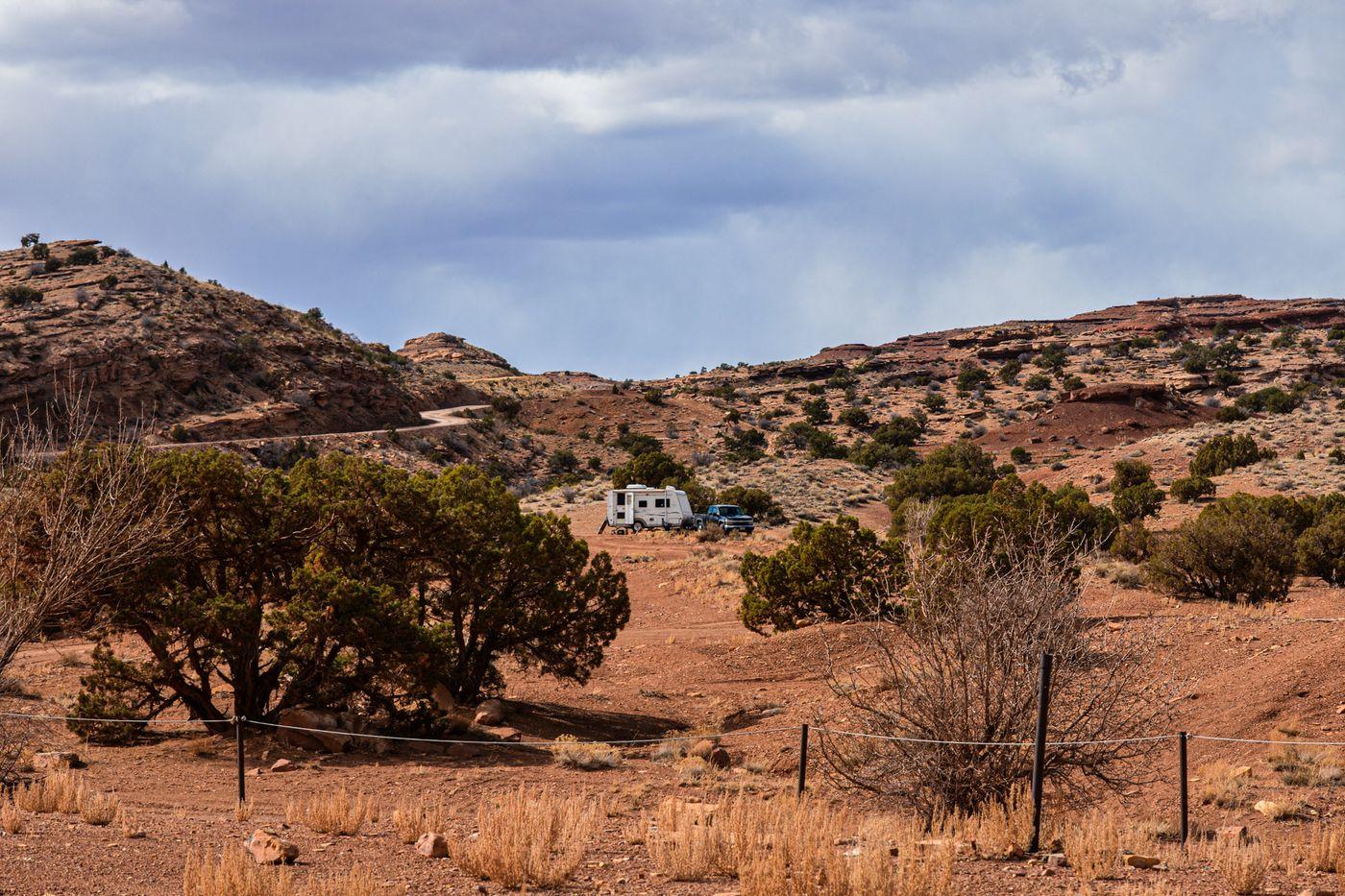
- Arizona is for desert lovers and boondockers: sunshine guaranteed, free BLM camping by the square mile, and resort towns built around the winter season.
- Texas is for value and space: the cheapest monthly rates of the three, the biggest winter-Texan communities, and a long, mild season along the Gulf and the Rio Grande.
- Florida is for amenities and ocean: the densest concentration of upscale RV resorts in the country, at the highest prices, with real humidity and a hurricane season to plan around.
Weather in January
All three are pleasant in January, but differently. Arizona's desert (Quartzsite, Yuma, Mesa) runs 65 to 75°F days and 40 to 50°F nights with almost no rain — jacket weather at dawn, t-shirt by lunch. South Texas (the Rio Grande Valley, Corpus Christi) is similar with more humidity and a greener landscape. Florida adds genuine beach weather: 70s most days, 50s at night, with the occasional cold front that can drop temperatures into the 40s for a day or two. Florida is also the only option with hurricane exposure (June through November) and the only one where you can comfortably swim in the ocean in winter.
What camping costs
Rough monthly ranges for a full-hookup site in a decent park, peak season:
- Texas: $400 to $900. The Valley towns (Mission, McAllen, Harlingen) are the budget capital of snowbirding, with 55-plus parks under $500 a month including activity calendars.
- Arizona: $500 to $1,500. Quartzsite-style BLM camping can be nearly free (a $180 LTVA permit covers seven months), while the big Mesa and Scottsdale resorts with pickleball and golf run well into four figures in peak months.
- Florida: $900 to $2,500+. Ocean-adjacent resorts in the Keys or on the Gulf Coast are the most expensive camping in America; inland and panhandle parks are cheaper but still above Texas prices.
Book early everywhere: the best monthly spots in all three states are reserved by September or October. Our monthly rates guide covers what to expect and how to negotiate.
Camping style: three different sports
Arizona uniquely supports the boondocking snowbird. The BLM Long-Term Visitor Areas around Quartzsite and Yuma host tens of thousands of free campers with dump stations, water, and a social scene bigger than most towns. If your rig has solar and you like open desert, Arizona is unmatched — see boondocking and our notes on Quartzsite and Yuma.
Texas is the land of the destination park: enormous 400 to 1,500-site resorts where you park for five months, join the pickleball league, and drive a golf cart to the potluck. Communities like Alamo, Mission, and Donna exist almost entirely for winter Texans.
Florida splits between resort snowbirds and touring campers. The Keys and the Gulf Coast (Fort Myers, Sarasota, Clearwater) are resort country with nightly-beach-walk culture, while central Florida serves the theme-park circuit. Shoulder-season deals appear in November and March.
The practical trade-offs
- Crowds: Quartzsite in January is a city of 100,000+ RVers; Florida's Gulf Coast books solid December through March. South Texas feels emptiest.
- Medical and services: All three have excellent winter-season infrastructure; Arizona's Phoenix and Florida's Tampa corridors lead for specialists.
- Getting there: Arizona and Texas are easy overland hauls from the Midwest and Mountain West. Florida means one long push down I-75 or I-95, or hopping the panhandle.
- Things to do: Arizona wins on hiking and national parks (Saguaro, Organ Pipe, Petrified Forest, day trips to the Grand Canyon). Texas wins on birding, fishing, and Mexico day trips. Florida wins on beaches, springs, and theme parks.
A decision shortcut
Choose Arizona if you want sunshine, free camping options, and desert scenery. Choose Texas if budget and community top your list. Choose Florida if you want beach weather and resort amenities and are willing to pay for them. And choose two: plenty of snowbirds split the season — Arizona for November through New Year, the Gulf Coast for January through March — chasing the best weather and rates in both. Wherever you land, our state pages for Arizona, Texas, and Florida list the parks with monthly-rate-friendly options.
Frequently asked questions
Which state is cheapest for snowbird RVing?
South Texas, specifically the Rio Grande Valley, consistently has the lowest monthly rates — often $400 to $700 a month in 55-plus parks. Arizona can be even cheaper if you boondock on BLM land on the seasonal permit, and the most expensive is oceanfront Florida.
When should I book a monthly snowbird site?
Reserve between spring and early fall for the best parks. Popular Arizona and Florida resorts fill for peak months (January and February) by September or October; Texas parks usually have more availability but the top communities also book early.
Can I boondock all winter in Florida or Texas?
Florida has very little free dispersed camping — mostly a few water management district properties with rules. Texas has some, but nothing like Arizona's BLM long-term visitor areas. Arizona is the only true boondocking snowbird destination.
How cold does it get in these destinations?
Hard freezes are rare in all three but not unknown: south Texas and inland Florida see occasional 30s nights, and Arizona's deserts drop below freezing regularly at night in December and January. RVs winterized for the trip south are usually fine; bring layers and plan for a few chilly mornings.